There is no single cleaning interval that suits every commercial kitchen. The useful schedule depends on how quickly the trap accumulates fats, oils, grease and solids.
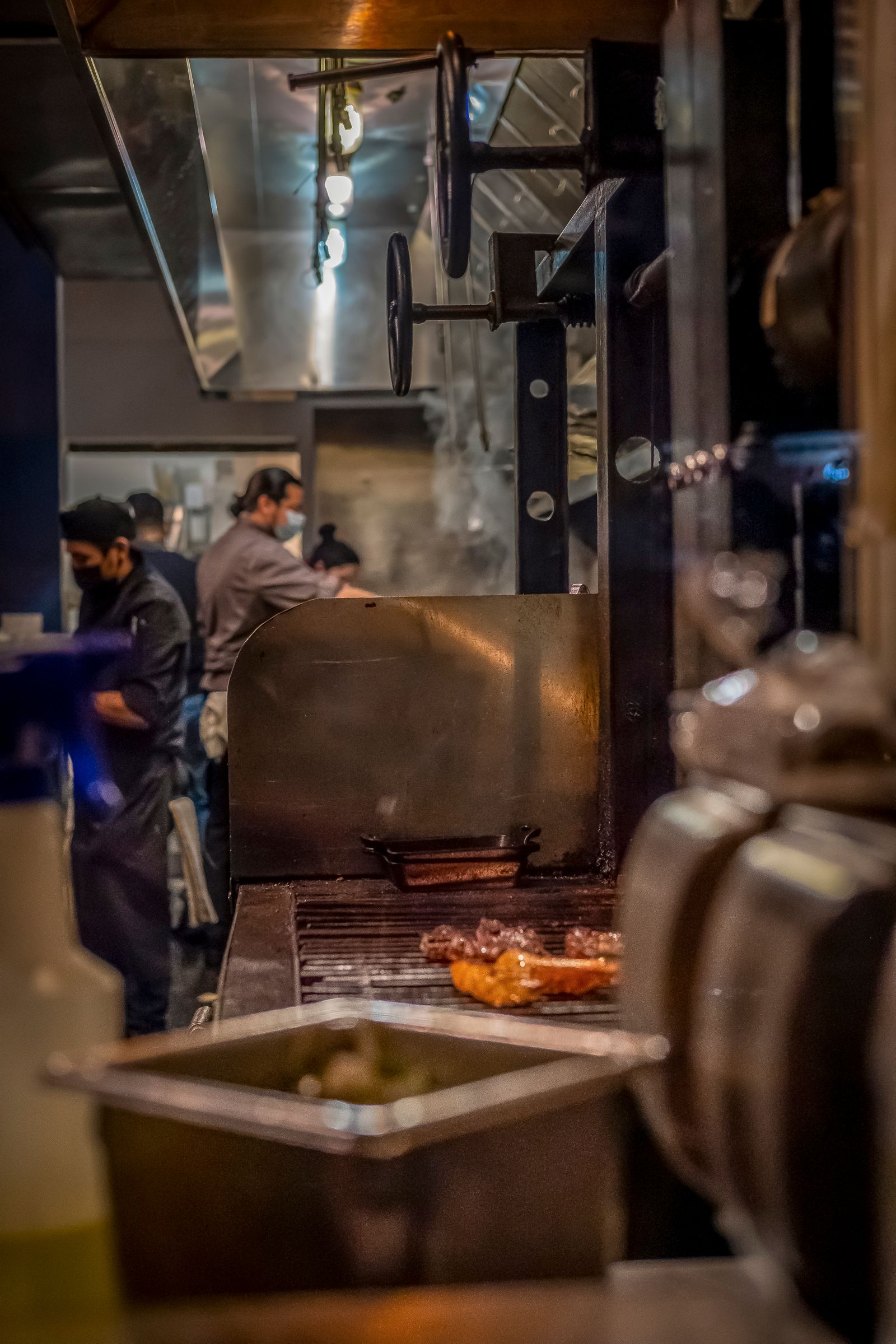
Why fixed national intervals can be misleading
A small café, a high-volume takeaway and a hotel banqueting kitchen may all have grease traps, but their loading can be completely different. Menu, fryer use, opening hours, number of meals, wash-up volume and trap capacity all affect how quickly the unit fills.
The better approach is to start with a sensible service interval and then use the condition found at each visit to decide whether the next one should be sooner or later.
Use previous services as evidence
If the trap is repeatedly close to capacity when it is opened, the existing interval is probably too long. If only a small amount of grease and solids has accumulated, the schedule may be more frequent than necessary.
Keep a basic record of service date, approximate build-up, any odour or drainage symptoms and whether the contractor found anything unusual. That record becomes more useful over time.
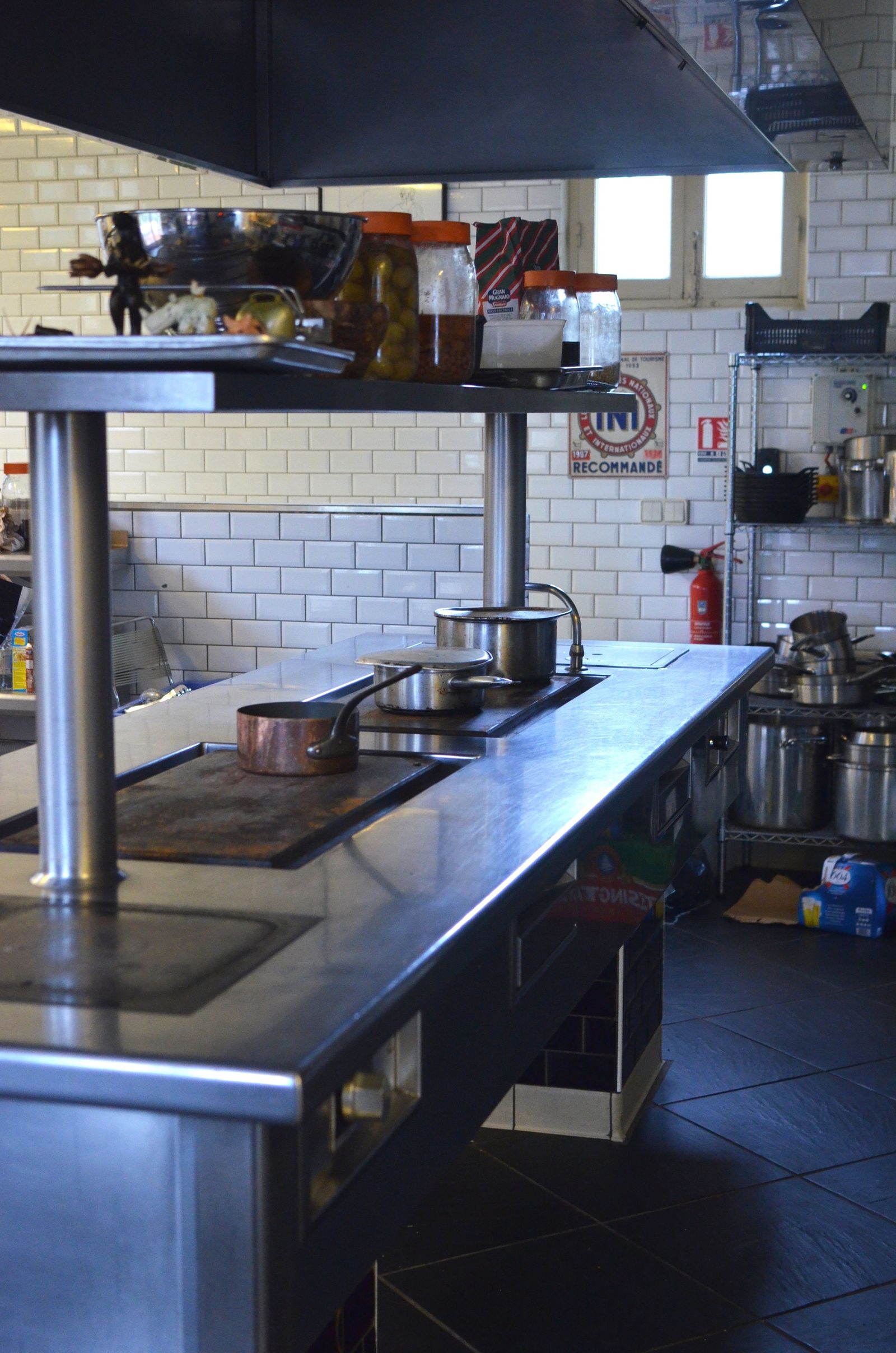
Busy periods can change the answer
Seasonal trading, Christmas functions, summer tourism, a new menu or longer opening hours can all increase FOG loading. A maintenance interval that worked six months ago may no longer suit the kitchen.
Hotels, pubs and event venues should pay particular attention after periods of unusually heavy service rather than assuming the normal schedule will always be enough.
Warning signs that the interval needs reviewing
Persistent odour, slower drainage, visible heavy build-up or a trap that is approaching capacity before the planned date are all reasons to review the schedule. Overflow is no longer a routine maintenance sign and should be treated as an active problem.
The objective is not to wait until the trap fails. Planned service should happen early enough that the unit still has useful working capacity.
What to tell a contractor
Provide the premises type, postcode, trap size if known, previous service date, trap position and any access restrictions. If the kitchen has recently become busier, say so.
That context helps distinguish a routine maintenance visit from a trap that may be overdue or need a fuller clean.