Emptying restores working capacity before the trap becomes a problem
A grease trap is designed to retain fats, oils, grease and food solids before they travel further into the drainage system. As that material builds up, the useful working capacity inside the unit reduces.
Routine grease trap emptying removes the accumulated wastewater, floating FOG layer and settled solids so the unit can continue doing its job. For a regularly maintained system, this is usually the core service and should happen before odour, slow drainage or overflow become the warning signs that the trap is overdue.
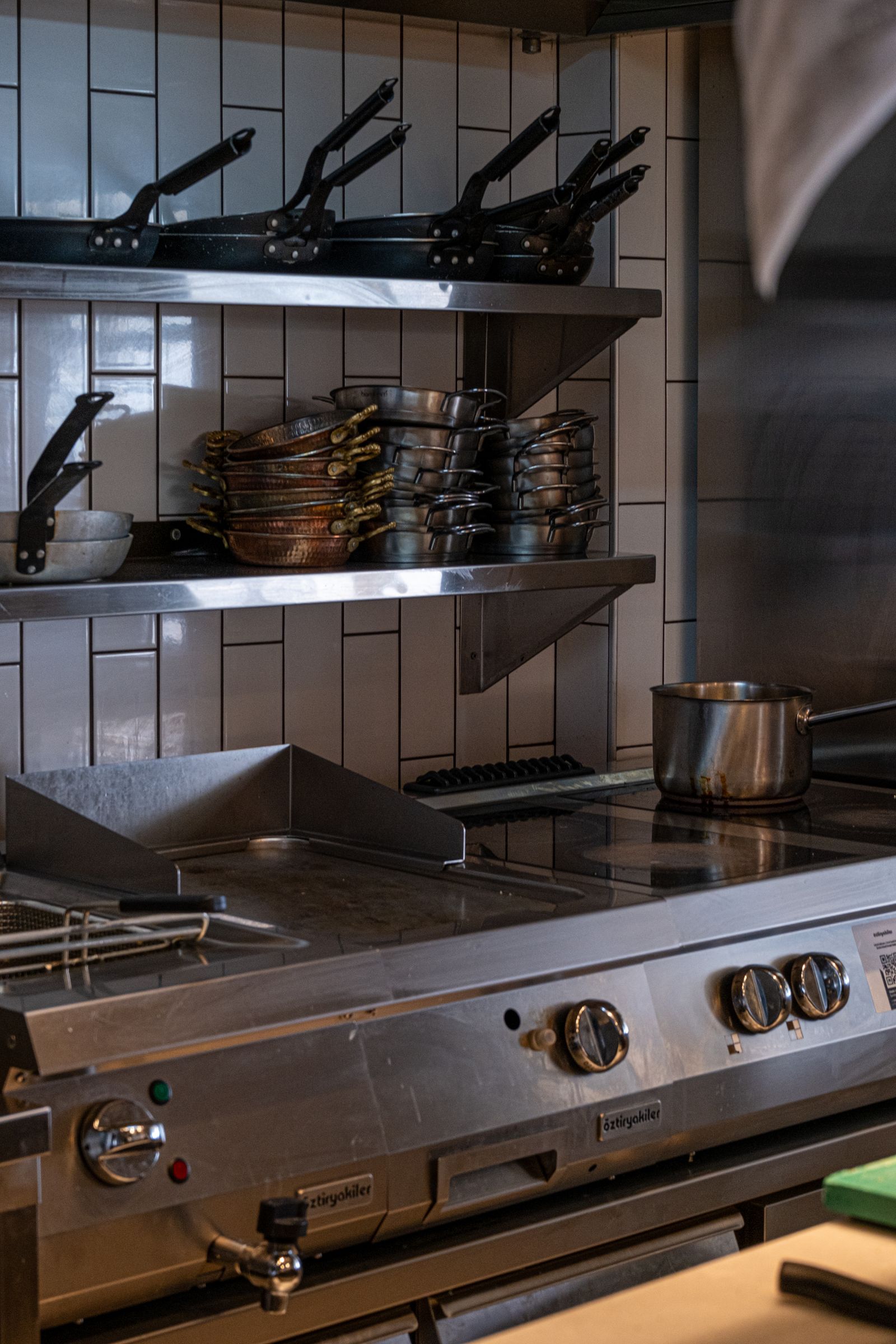
Do not wait for an overflow to arrange service
A grease trap can be heavily loaded before it becomes visibly full. The most useful maintenance schedule is one that catches the unit before service disruption starts.
Persistent odour
Strong or recurring smells around the trap can indicate retained waste has built up or that servicing is overdue.
Slow drainage
Reduced flow can have several causes, but a heavily loaded trap is one of the first things worth checking.
Trap close to capacity
A thick FOG layer and heavy settled solids leave less useful volume for incoming wastewater.
Overflow or backing up
An active overflow needs prompt attention and may also indicate a downstream drainage issue rather than a simple full trap.
Long time since last service
If no one can remember the previous emptying date, it is sensible to inspect the condition rather than assume the trap is still within capacity.
Busier trading period
Higher covers, more fryer use or longer opening hours can fill the trap faster than the previous maintenance interval allowed for.
The retained contents are removed so the trap can keep separating FOG
The purpose of emptying is straightforward: remove accumulated liquid waste, fats, oils, grease and settled solids before too much of the trap’s working volume is lost.
The exact process depends on the trap type, access and condition. A straightforward routine visit is different from an overdue unit containing heavy hardened deposits or a site where poor flow suggests a wider drainage fault.
If significant residue remains after the bulk contents have been removed, a fuller clean may be appropriate. That is why grease trap cleaning and emptying are related services but not always the same job.
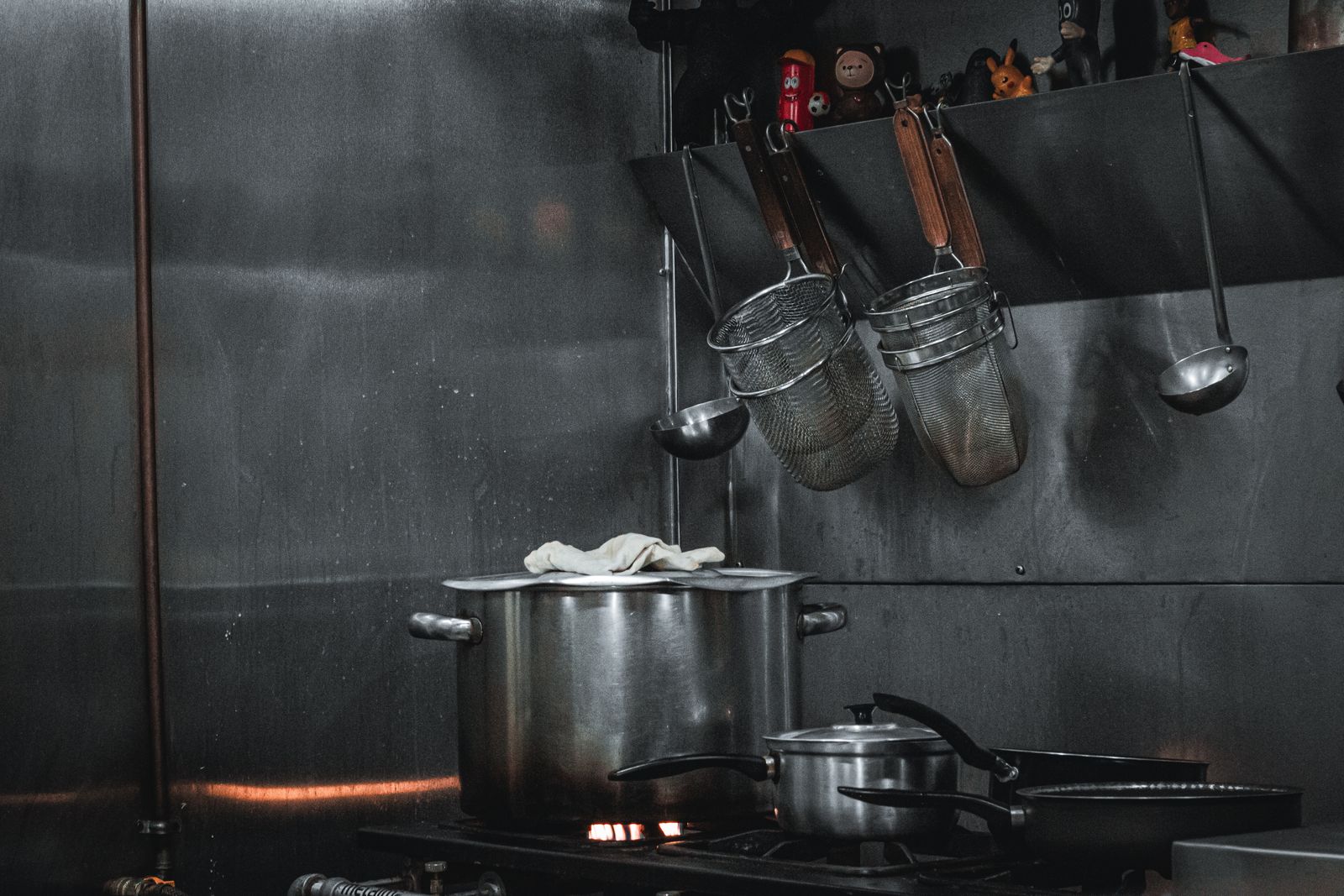
The kitchen determines the load
Opening hours
Long trading days and late service periods increase the volume of wastewater passing through the trap.
Cooking methods
Fryer use, sauces, food preparation and wash-up practices can materially change the FOG load.
Trap capacity
A larger unit offers more working volume, but a busy kitchen can still load it quickly.
Business type
Restaurants, pubs, takeaways, hotels, schools and care kitchens all create different grease patterns.
Seasonal demand
Functions, holidays, tourist periods and event trading can make an otherwise suitable service interval too long.
Previous service condition
The amount removed at each visit is useful evidence for deciding when the next service should happen.
Planned emptying is easier than dealing with a kitchen already affected
The aim of a maintenance interval is not to predict the exact day a trap will become full. It is to empty it early enough that useful capacity remains and the kitchen can choose a sensible service window.
If the unit is already overflowing, drains are backing up or the problem extends beyond the trap, describe those symptoms when requesting service. An urgent drainage problem may require more than routine grease trap emptying.
Read the signs your grease trap needs emptying Planned grease trap maintenance
Trap size is only one part of the job
Two traps with the same nominal capacity can be very different jobs depending on access, condition, waste volume and urgency.
Emptying protects the working capacity inside the trap
A grease trap deliberately retains fats, oils, grease and settled food solids. That material has to be removed before it occupies too much of the unit. Routine emptying is therefore not an optional extra; it is the basic maintenance that creates space for the trap to continue working.
Commercial grease trap work is easier to assess when the enquiry describes the actual kitchen, trap, access and current condition. That keeps the service focused on the site rather than treating every business as the same job.
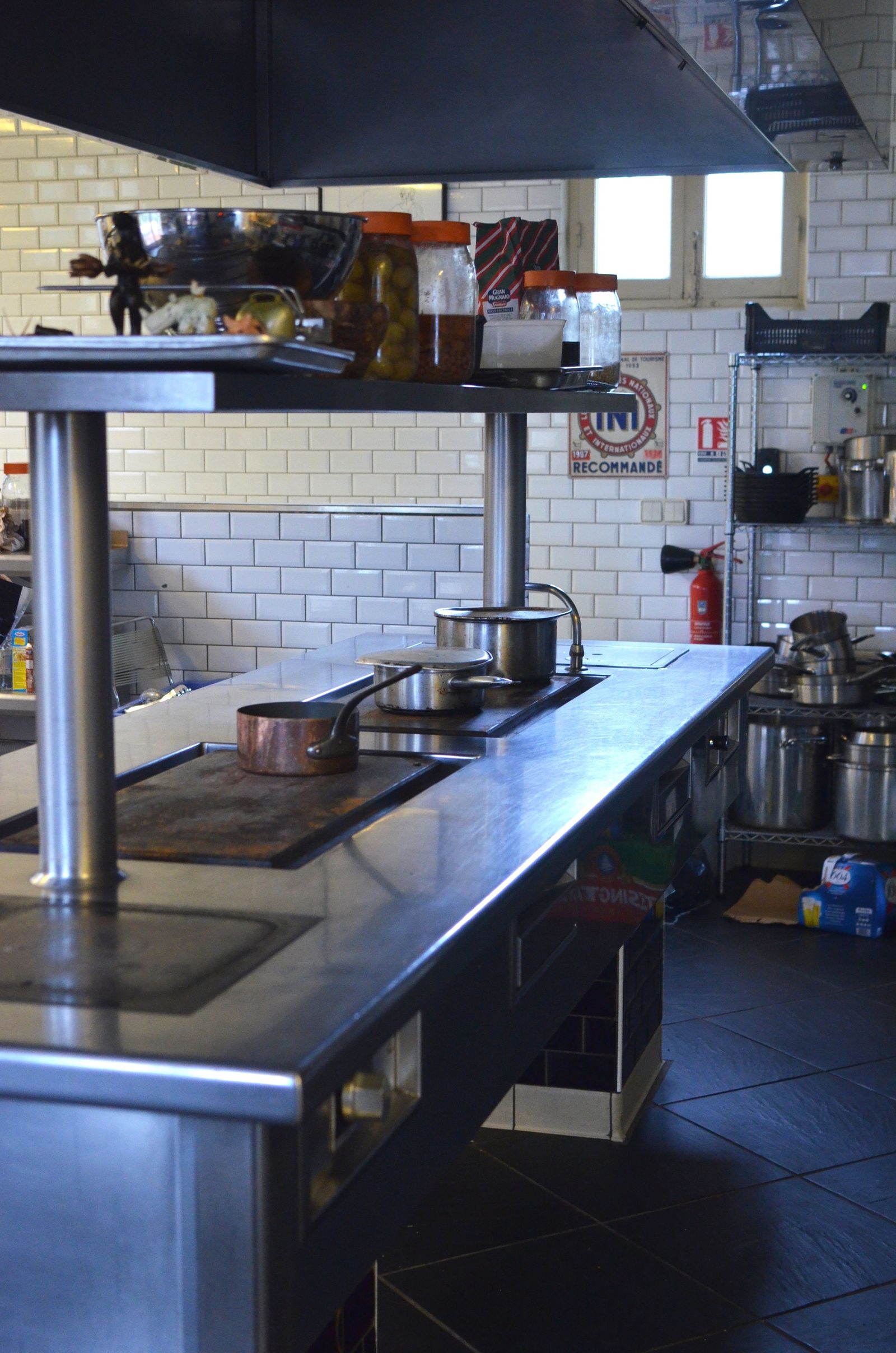
Four practical factors that shape the service
The same service name can describe very different jobs depending on the site and condition of the trap.
Service the trap before it reaches excessive capacity and starts affecting the kitchen.
Long opening hours, fryer use and heavy food preparation can increase the rate at which retained waste builds up.
Trap position can change the service setup, particularly where there are basements, long hose runs or restricted loading areas.
Overflow, severe odour or drainage impact should be described as an active problem rather than routine maintenance.
From the first site details to the next maintenance decision
Check trap position and access
Assess the current fill level and condition
Pump out retained wastewater, FOG and solids
Record what was found and review the next interval
Commercial food premises with very different grease loads
A food business does not need to fit one narrow profile. What matters is that the kitchen produces FOG and uses a grease-management system that needs servicing.
Routine pump-out should happen before the trap reaches crisis point
The purpose of emptying is to restore working capacity before retained waste starts affecting the kitchen. Different sites reach that point at very different rates.
Guides that support this service
Use the guides to understand the likely maintenance requirement before requesting a quote.
Grease Trap Emptying FAQs
Useful answers before you send the site details.
How do I know the trap is due for emptying?
Persistent odour, visible build-up, slow drainage and a known service interval are common reasons to arrange a visit before overflow occurs.
Does a larger trap need emptying less often?
Not automatically. A larger trap has more capacity, but kitchen throughput and grease load can still fill it quickly.
Can emptying be arranged around trading hours?
That depends on contractor availability and site access, but preferred servicing windows should be included in the enquiry.
What happens to the waste?
The contractor responsible for the service should handle collected waste in accordance with the requirements that apply to their operation and the waste being removed.
Need your grease trap emptied?
Provide the postcode, trap details and whether the requirement is routine or urgent.