Grease traps often give warning signs before they become a serious operational problem. Changes in smell, drainage and capacity are worth acting on.
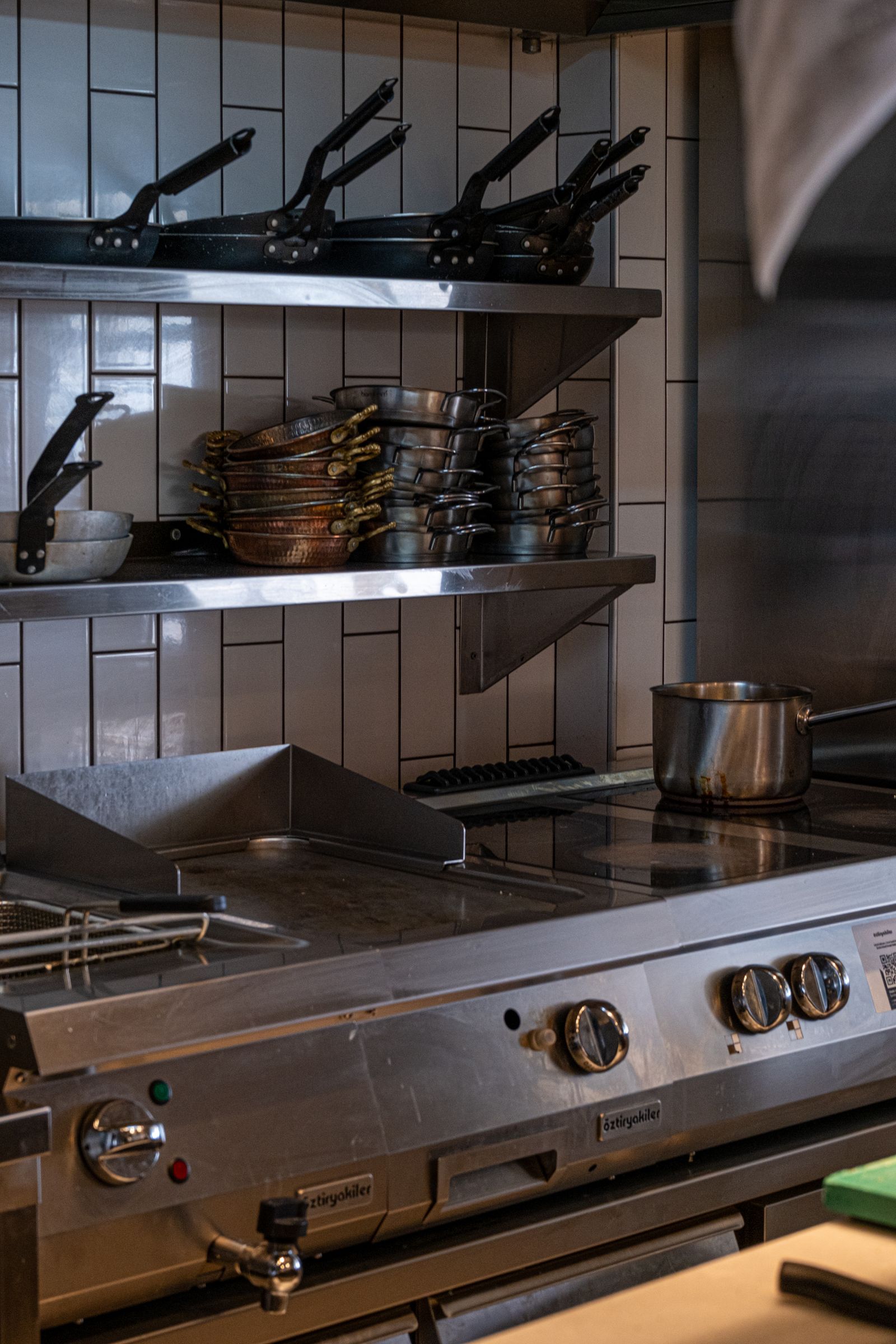
Persistent or stronger odour
A noticeable increase in smell around the trap can indicate that retained waste is building up. If the smell is present elsewhere too, the issue may involve more than the grease trap.
Record where the odour is strongest and when it tends to appear.
Slower drainage
Sinks or connected drains emptying more slowly than usual can be a warning sign, although blockages elsewhere in the system can produce similar symptoms.
Do not assume the trap is always the only cause; describe what is happening accurately.
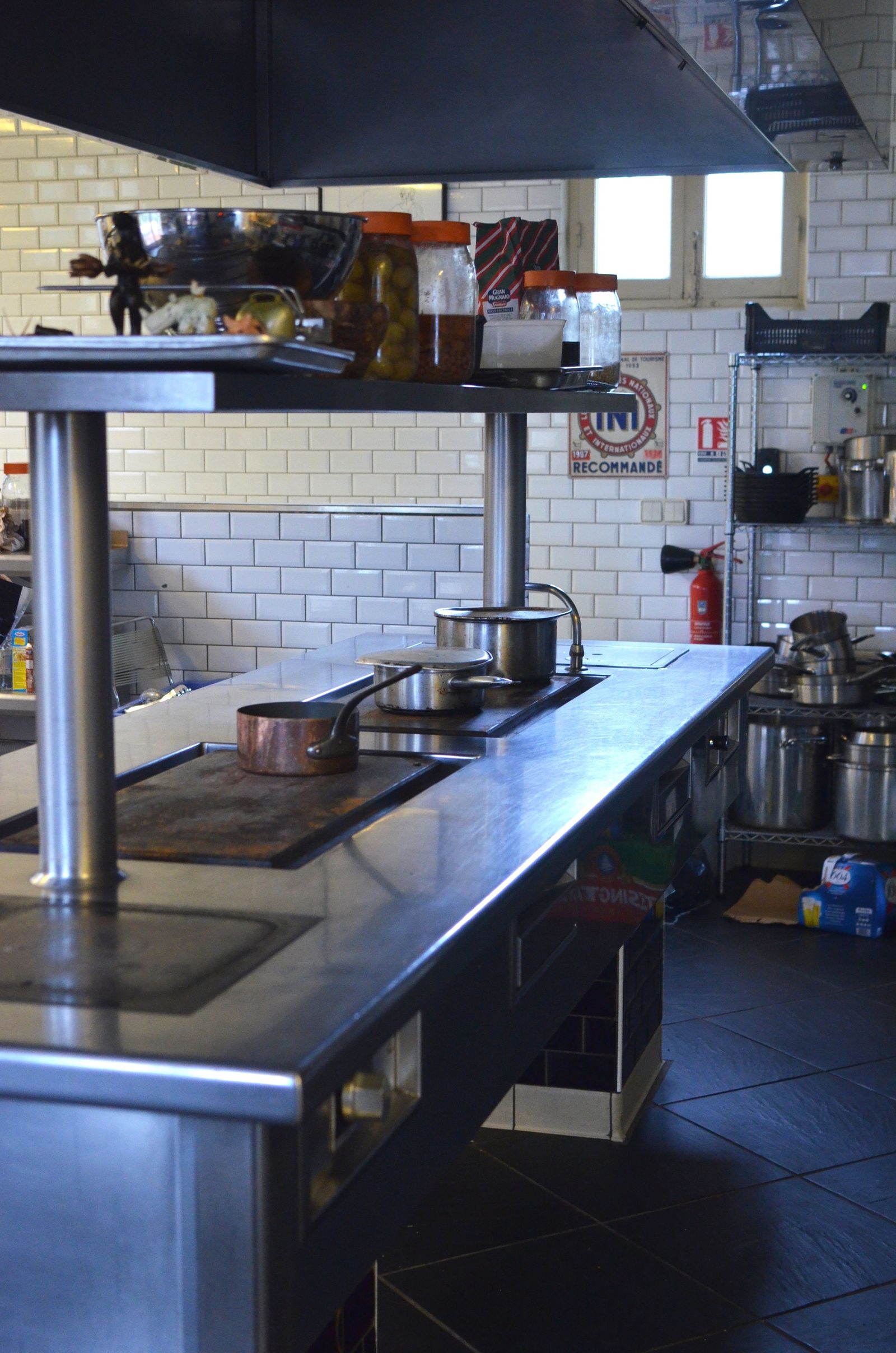
Visible heavy build-up
If the trap can be inspected safely and there is obvious grease or solids occupying a large proportion of the unit, the next service should not be delayed.
Avoid disturbing the contents unnecessarily; the useful information is that capacity is being consumed.
Overflow or backup
Overflow has moved beyond normal maintenance. It is an active problem that can affect hygiene and trading, so include the location, extent and whether wastewater is still flowing when you request help.
Keep staff and customers away from affected areas where appropriate.
The planned date has simply arrived
The best maintenance often happens before any obvious symptom. If previous service records show a predictable accumulation rate, use that information to arrange the next visit before the trap becomes overloaded.
undefined