Cleaning that goes beyond a routine pump-out
Grease trap emptying removes the bulk contents of the trap: wastewater, fats, oils, grease and settled food solids. A fuller grease trap clean is appropriate when significant residue remains on accessible internal surfaces, the unit has been left too long between services, or odour and performance problems continue after the contents are removed.
For restaurants, pubs, hotels, takeaways, cafés, schools, care kitchens and food-production sites, the right service depends on the condition of the trap rather than a fixed label. A regularly maintained unit may need a straightforward emptying visit; an overdue trap with hardened grease and heavy residue can require more extensive cleaning.
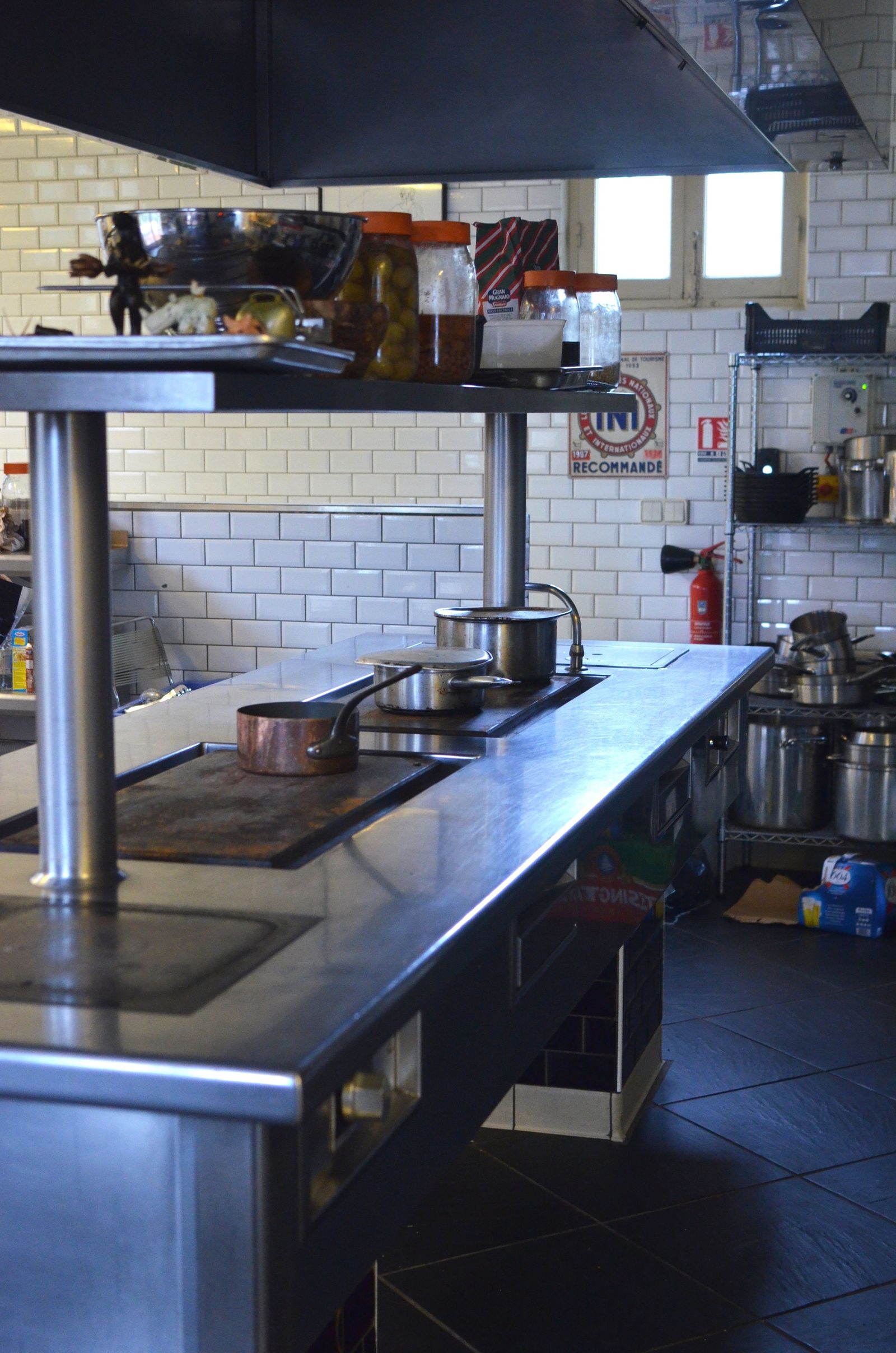
Signs a grease trap needs more than emptying
Persistent smells, slow drainage and rapid loss of usable capacity can indicate that the trap or connected drainage needs closer attention.
Heavy internal residue
Grease and food solids can coat accessible walls, baffles and components even after the liquid contents have been pumped out.
Persistent odour
Odours that return soon after service may point to remaining residue, an unsuitable service interval or a wider drainage problem.
Slow drainage or poor flow
A trap that is overloaded or heavily fouled can contribute to reduced performance and increase the risk of disruption to the kitchen.
Long gap between services
Older deposits can become denser and harder to remove, turning a routine visit into a more involved clean.
Reduced working capacity
Build-up inside the trap leaves less room for incoming wastewater and can mean the unit reaches its effective capacity sooner.
After a blockage or overflow
Once an urgent issue is under control, a fuller clean may be needed before the trap returns to a sensible maintenance schedule.
What is the difference?
Grease trap emptying removes the accumulated liquid waste, floating FOG layer and settled solids from the unit. It is the core routine service for most commercial grease traps.
Grease trap cleaning goes further where the condition of the unit warrants it, dealing with accessible grease residue and build-up left behind after the bulk contents have been removed.
Not every visit needs the most intensive option. The aim is to match the work to the actual condition of the trap so the kitchen is not paying for unnecessary cleaning or leaving a heavily fouled unit only partly serviced.
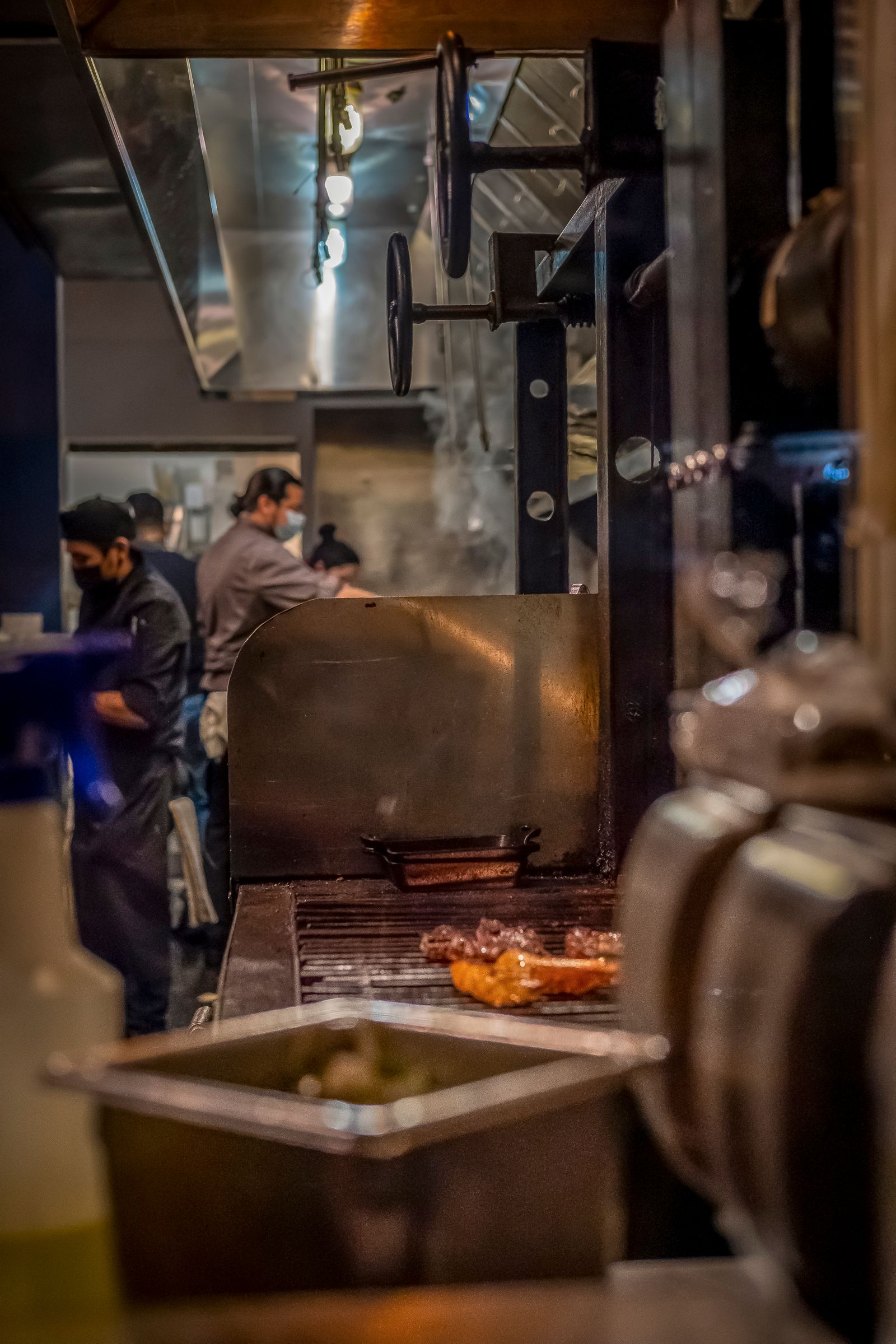
Grease build-up can become an operational problem
A poorly maintained grease trap is not just unpleasant. Excess FOG and food solids can reduce the unit’s effective capacity, create odours, contribute to drainage problems and increase the chance of an overflow or unplanned kitchen disruption.
Keep the kitchen moving
Planned servicing is easier to manage than arranging urgent work once drainage performance begins to affect normal operation.
Protect downstream drainage
The purpose of the trap is to intercept fats, oils and grease before they travel further into the drainage system. Allowing the unit to become overloaded works against that purpose.
Maintain useful service records
Recording service dates and the condition found at each visit makes it easier to set an interval based on the kitchen’s real grease load.
Odour, blockage or overflow?
If a grease trap problem is already affecting the kitchen, tell us what is happening when you request a quote. Useful details include whether drains are running slowly, whether the trap is overflowing, when it was last serviced and whether the problem is confined to the trap or appears to affect the wider drainage system.
An urgent call-out may need more than routine grease trap cleaning, particularly where a downstream blockage or drainage defect is involved. Giving us the symptoms at the outset helps route the enquiry to the right service.
Clean the trap according to the grease load
A takeaway with several fryers, a hotel banqueting kitchen and a school kitchen do not place the same load on a grease trap. Menu, opening hours, washing-up volume, trap capacity and the amount of FOG found at previous visits all affect how often servicing is sensible.
Use each visit as evidence. If the trap is repeatedly close to capacity, heavily coated or causing odour before the next planned service, shorten the interval. If build-up is consistently light, the existing schedule can be reviewed.
How often should a grease trap be cleaned? Planned grease trap maintenance
Tell us enough to price the right service
The more useful information you can provide, the easier it is to distinguish a routine emptying job from a fuller clean or an urgent drainage problem.
Cleaning is about more than removing the liquid contents
Where grease and food solids have built up on accessible internal surfaces, a fuller cleaning service can go beyond routine pump-out. The useful scope depends on trap design, service history, kitchen throughput and the condition found when the unit is opened.
Commercial grease trap work is easier to assess when the enquiry describes the actual kitchen, trap, access and current condition. That keeps the service focused on the site rather than treating every business as the same job.
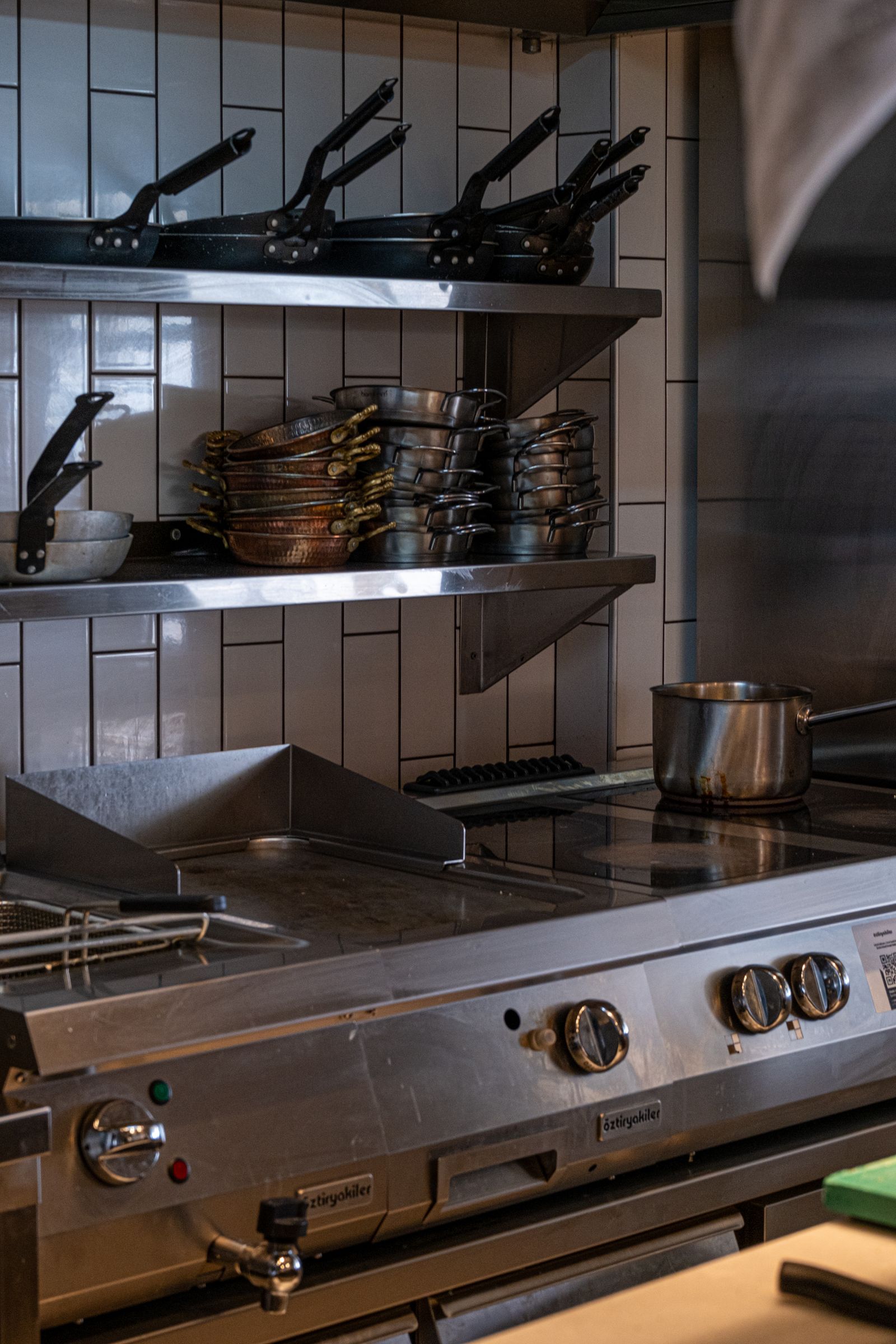
Four practical factors that shape the service
The same service name can describe very different jobs depending on the site and condition of the trap.
Regularly serviced traps may need relatively straightforward emptying and cleaning before residue becomes excessive.
Long gaps between visits can leave heavier deposits, stronger odours and more work after the bulk waste is removed.
Smells that return quickly after service can justify a closer look at retained residue, flow and the wider drainage system.
Slow drainage, reduced capacity or repeated problems may indicate the requirement is more involved than a simple pump-out.
From the first site details to the next maintenance decision
Confirm the trap and access
Remove retained liquid, FOG and solids
Clean accessible internal build-up where required
Review service condition and future interval
Commercial food premises with very different grease loads
A food business does not need to fit one narrow profile. What matters is that the kitchen produces FOG and uses a grease-management system that needs servicing.
Why a full clean may be needed instead of a routine empty
A grease trap can still contain stubborn internal residue after the liquid and loose waste have been removed. The condition found inside the unit determines whether the job stays a straightforward pump-out or needs a more thorough clean.
Guides that support this service
Use the guides to understand the likely maintenance requirement before requesting a quote.
Grease Trap Cleaning FAQs
Useful answers before you send the site details.
Is cleaning the same as emptying?
No. Emptying removes the retained contents. Cleaning can involve additional work on accessible internal surfaces and residue after pump-out.
How often should a grease trap be cleaned?
The useful interval depends on trap capacity, food preparation, kitchen throughput and what was found at previous services.
Can a badly neglected trap take longer?
Yes. Heavy or hardened build-up and difficult access can make an overdue service more involved than routine maintenance.
What should I provide for a quote?
Postcode, premises type, trap size and location if known, access restrictions, last service date and any current symptoms.
Ready to arrange grease trap cleaning?
Send the trap, access and kitchen details using the form above.