Trap capacity affects how much retained material a system can hold, but capacity alone never tells you the correct service interval.
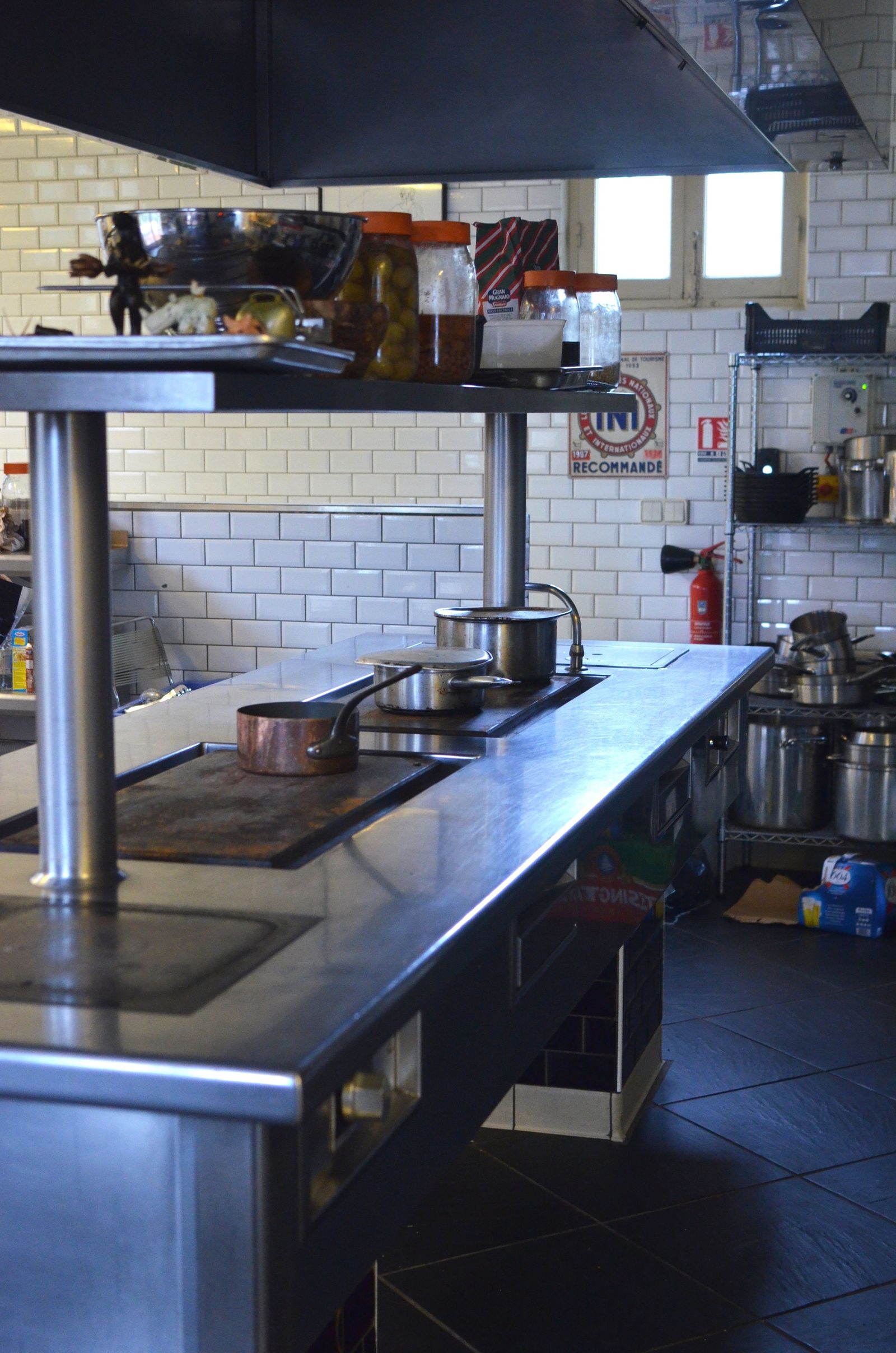
Why capacity matters
A grease trap needs enough working volume for wastewater to slow and for grease and solids to separate. As retained waste accumulates, that usable volume reduces.
A larger trap can hold more material, but a high-throughput kitchen can still load it quickly.
Know the model if you can
Manufacturer information, model numbers and nominal capacity are useful when requesting service. They can help a contractor understand the likely scale of the job before attendance.
Do not worry if the details are unavailable; photos and measurements can still help.
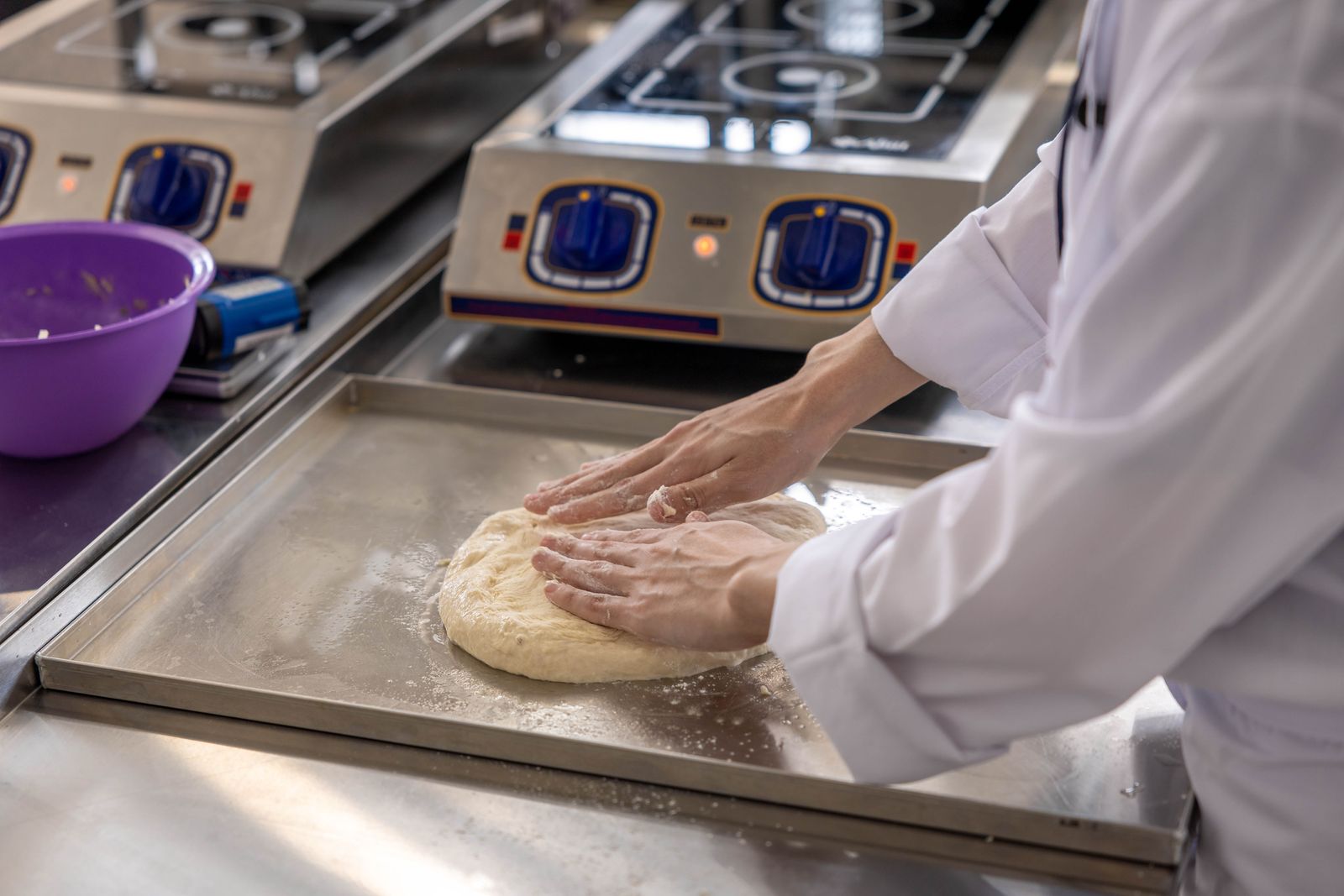
Physical size is not the whole story
Two traps of the same capacity can have very different maintenance requirements if one serves a high-volume kitchen and the other a lightly used site.
Food preparation, fryer use, opening hours and staff practices all change the rate of accumulation.
Access is separate from capacity
A small trap in a difficult basement location can be operationally more complex than a larger external unit with easy tanker access.
Quote information should therefore include both trap details and how the unit is reached.
When the capacity may be insufficient
If a trap repeatedly reaches capacity very quickly despite appropriate servicing, the issue may deserve assessment beyond simply booking more frequent pump-outs.
A specialist may need to consider whether the installation is suitable for the current kitchen demand.