Fats, oils and grease are a normal by-product of food preparation, but they become a drainage problem when too much material enters the wastewater system.
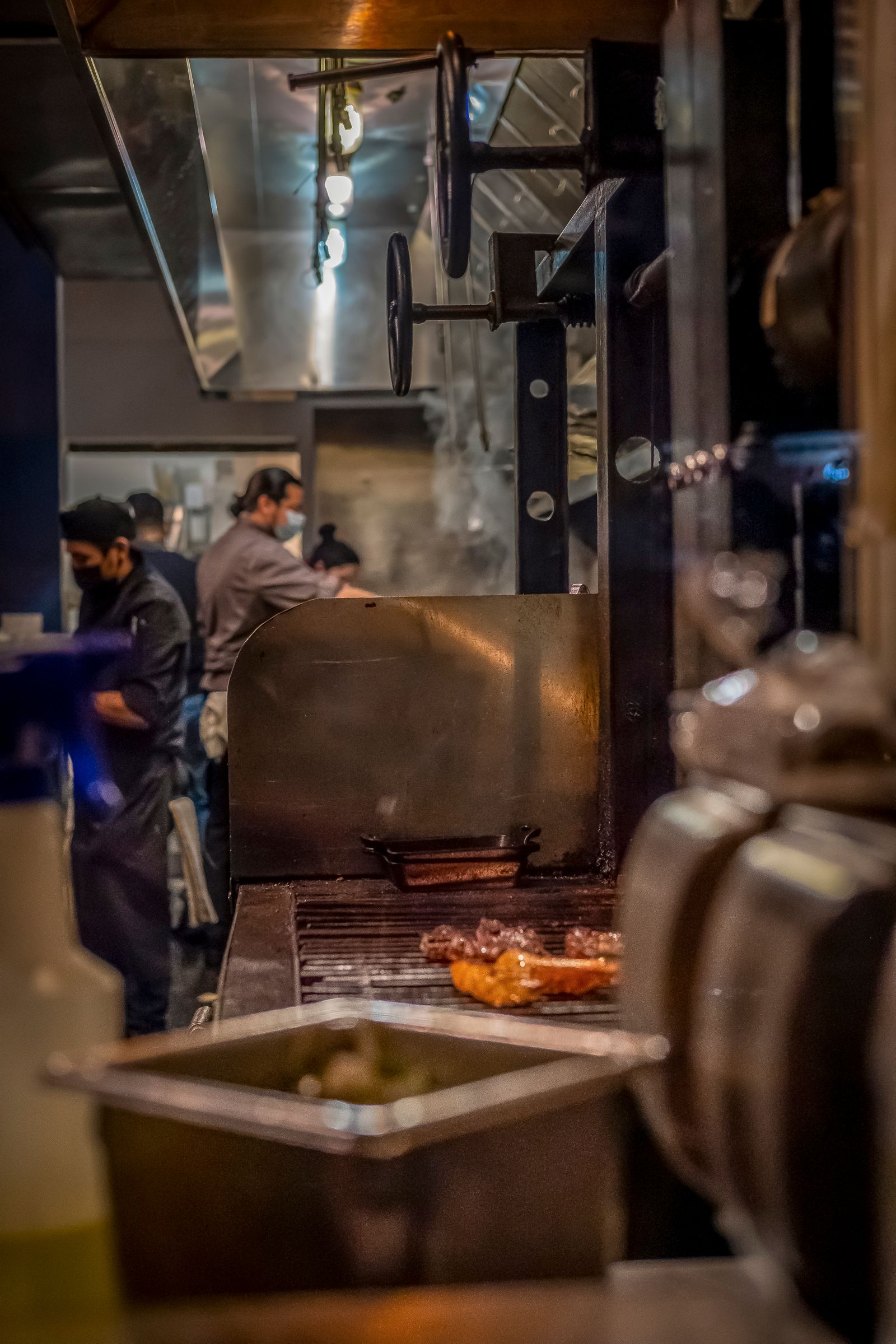
Where FOG comes from
Cooking oil, animal fats, sauces, dairy residues, frying processes, plate scrapings and wash-up water can all contribute. Much of it enters drains in liquid form while warm and then behaves differently as it cools.
Food solids can add to the problem by increasing the material retained in grease-management equipment.
Why cooling matters
Warm fats and oils can flow with wastewater, but as temperatures fall they can thicken or solidify. That is one reason grease management is important before material travels further into the drainage system.
A grease trap slows the wastewater and creates an opportunity for grease and solids to separate.
What a grease trap can and cannot do
A grease trap is not a disposal unit and it has finite capacity. It can intercept material only while enough working volume remains and the system is maintained appropriately.
Allowing a trap to fill indefinitely eventually reduces the space available for separation.
Kitchen practice still matters
Scraping plates, collecting waste oil separately and preventing unnecessary solids from entering sinks can reduce the load placed on the trap.
Staff training matters because everyday kitchen habits directly affect how much material the drainage system has to handle.
Why servicing remains necessary
Intercepted material has to be removed. Routine emptying and, where needed, cleaning restore working capacity and provide an opportunity to review whether the current maintenance interval suits the kitchen.
undefined