Restaurant kitchens can place a heavy and highly variable load on grease traps depending on menu, covers, opening hours and cooking methods.
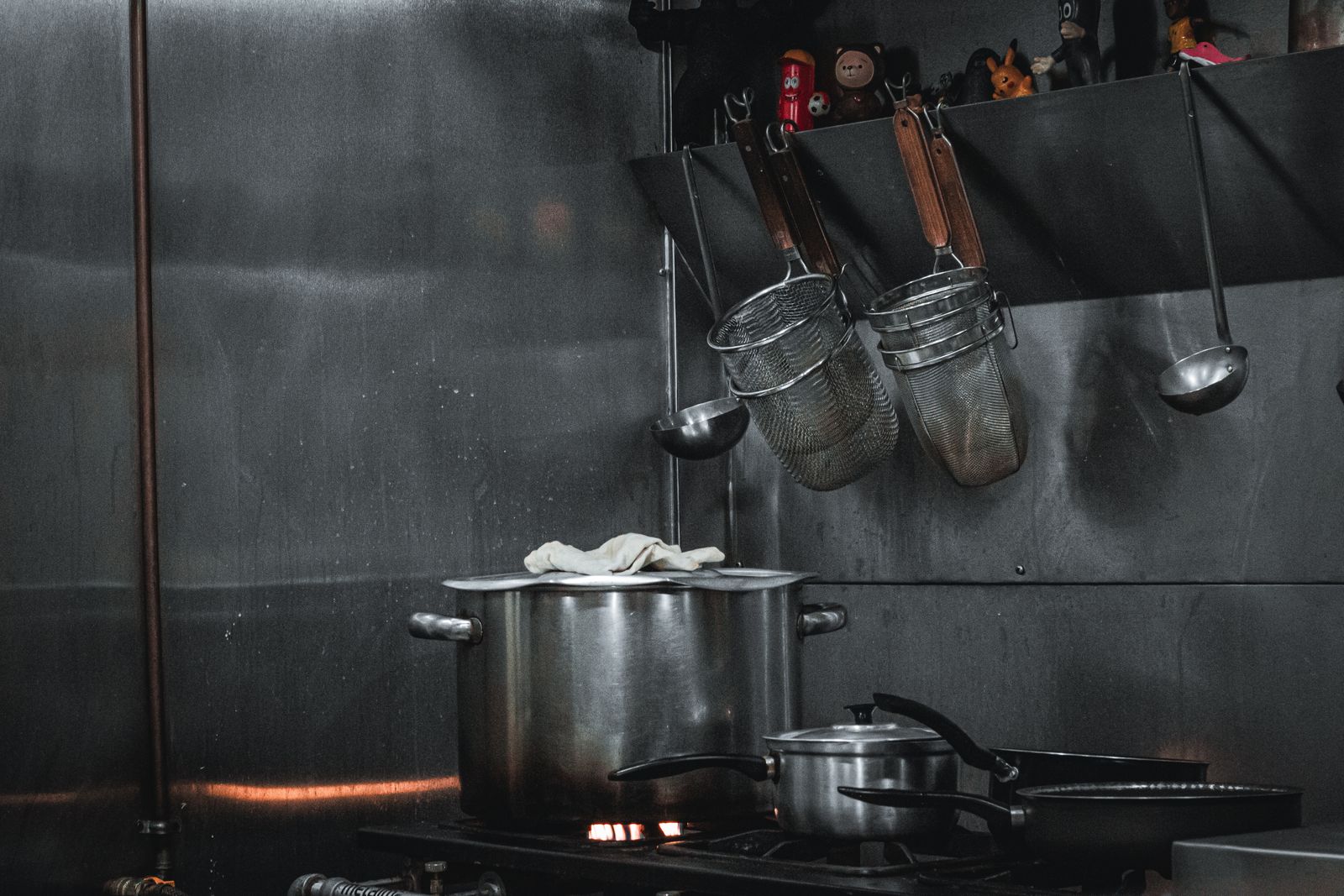
Restaurant grease loads are not all the same
A high-volume takeaway with multiple fryers can load a trap very differently from a smaller restaurant with lighter preparation. Covers alone do not tell the whole story.
Menu, fryer use, sauces, wash-up practices and opening hours all contribute.
Plan servicing around trading
Where possible, routine maintenance should be arranged for a quieter service window. A grease trap job that clashes with lunch or evening service is more disruptive than one planned around the kitchen.
Provide preferred access times and any loading restrictions when requesting a quote.
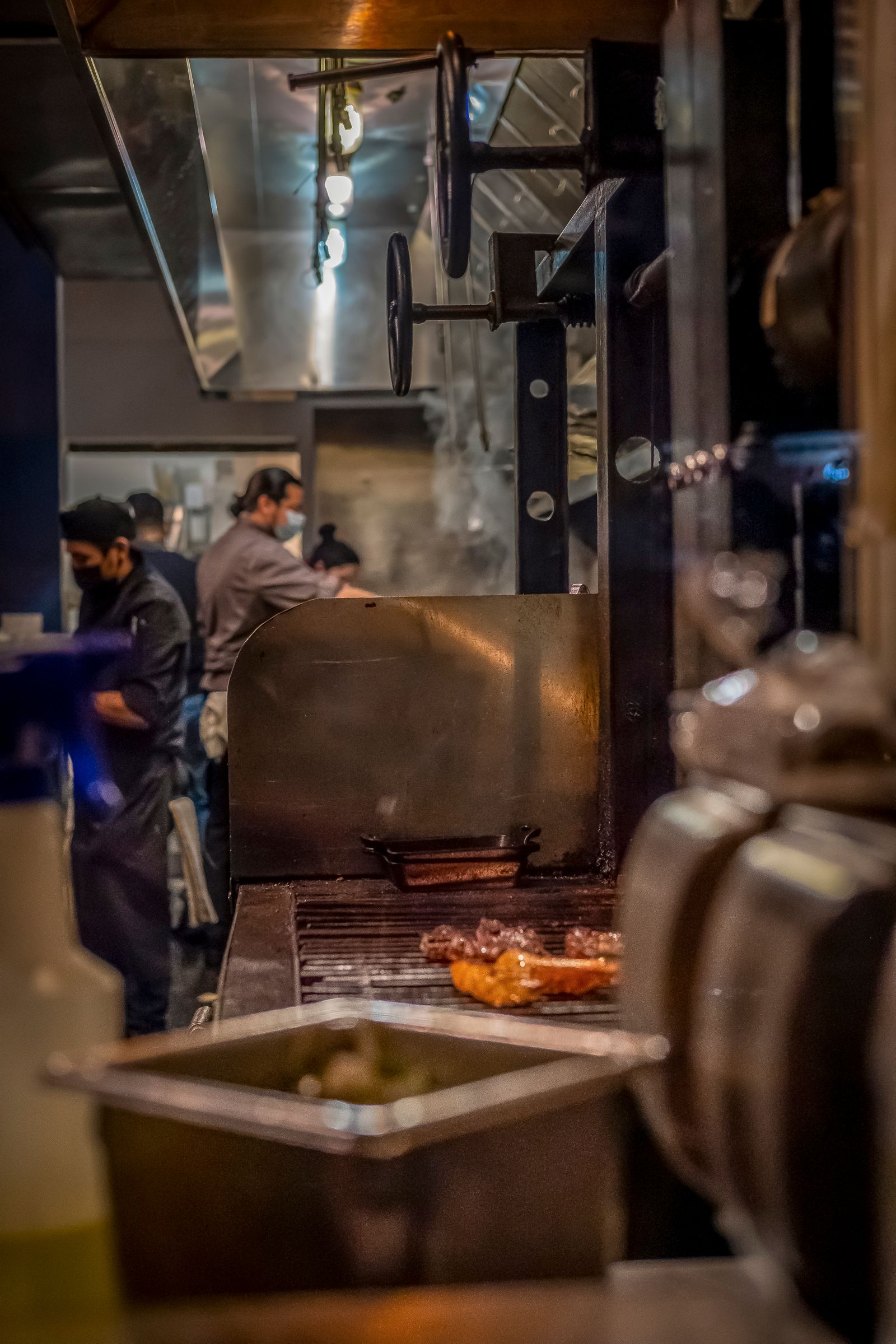
Rear yards and city-centre access
Restaurant premises can have tight rear service areas, basement traps, shared loading bays or pedestrian restrictions. These details can be as important as the trap capacity.
Photos of the access route can be particularly useful.
Keep staff practices consistent
Scrape plates, keep waste oil out of sinks and make sure cleaning routines do not simply wash food solids and grease into the system. Staff turnover can make consistent training important.
Good practice reduces unnecessary loading but does not remove the need for servicing.
Review the interval when business changes
A new menu, later opening hours, delivery growth or seasonal demand can make an old maintenance schedule unsuitable. Use what the contractor finds at each service to decide whether the next visit should be sooner.