Hotels, pubs and venues often have grease loads that change sharply between normal trading, weekends, functions and seasonal peaks.
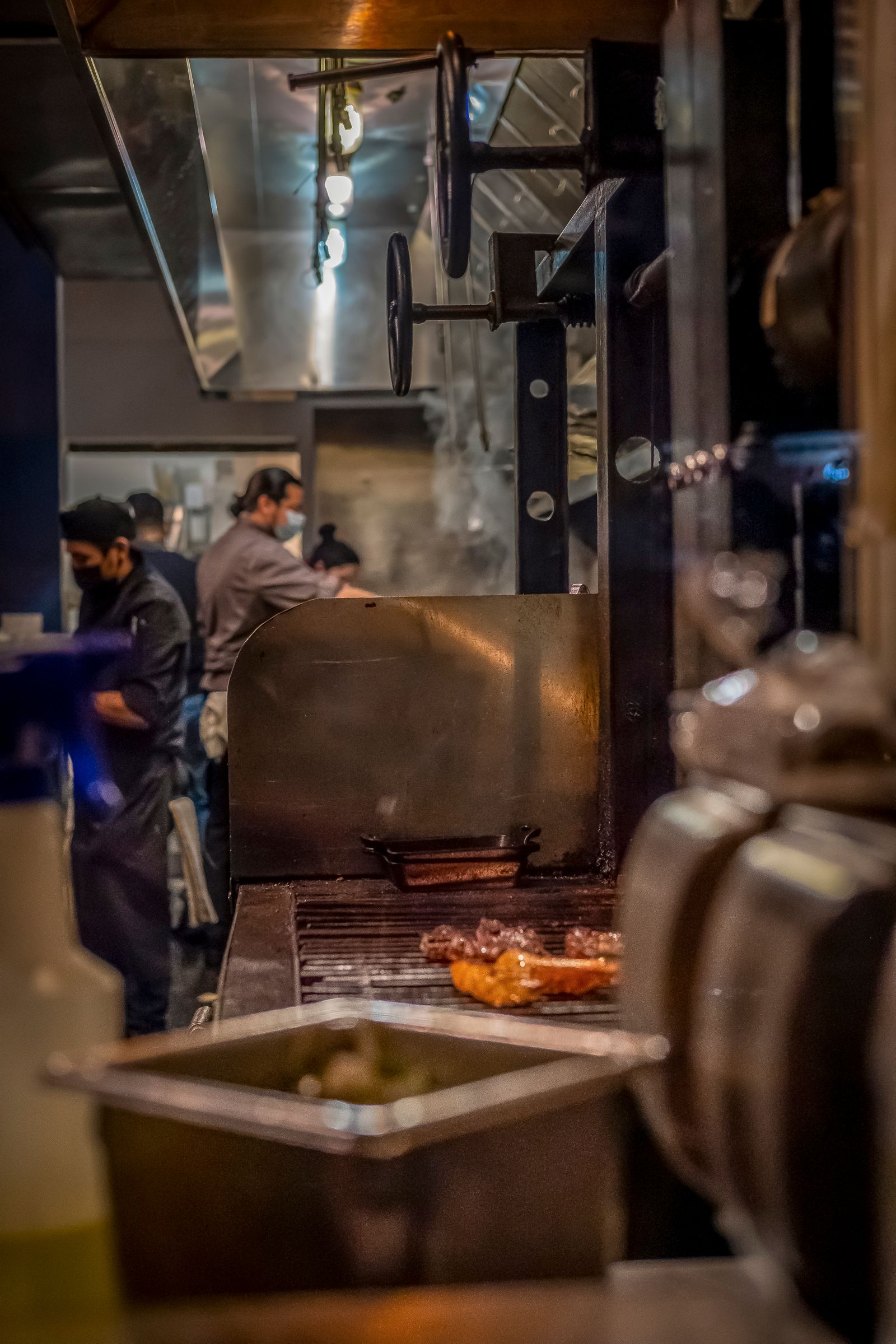
Hospitality demand can be uneven
A hotel may combine breakfast, restaurant service, conferences and weddings in the same kitchen. A pub may be quiet midweek and extremely busy at weekends.
Maintenance should account for those peaks rather than assuming every week loads the trap equally.
Functions can change the schedule
Large events or a run of busy weekends can push more grease and solids through the kitchen than usual. If the trap normally sits close to capacity at service, consider whether a peak period warrants an earlier visit.
Service history is especially useful for venues with predictable event calendars.
Access can be complicated
Historic pubs, city-centre hotels and large venues may have cellars, basements, restricted loading areas or long distances between vehicle access and the trap.
Provide access information before attendance rather than discovering the restriction on the day.
Multi-kitchen and multi-site sites
Larger hotels or hospitality groups may have more than one trap or several premises. Keep clear records by site and unit so the maintenance history does not become confused.
The same corporate schedule does not mean every trap should have the same interval.
Plan before the busiest periods
Routine maintenance is easier to organise before Christmas trading, wedding season or a known event programme than during an active drainage problem.
undefined