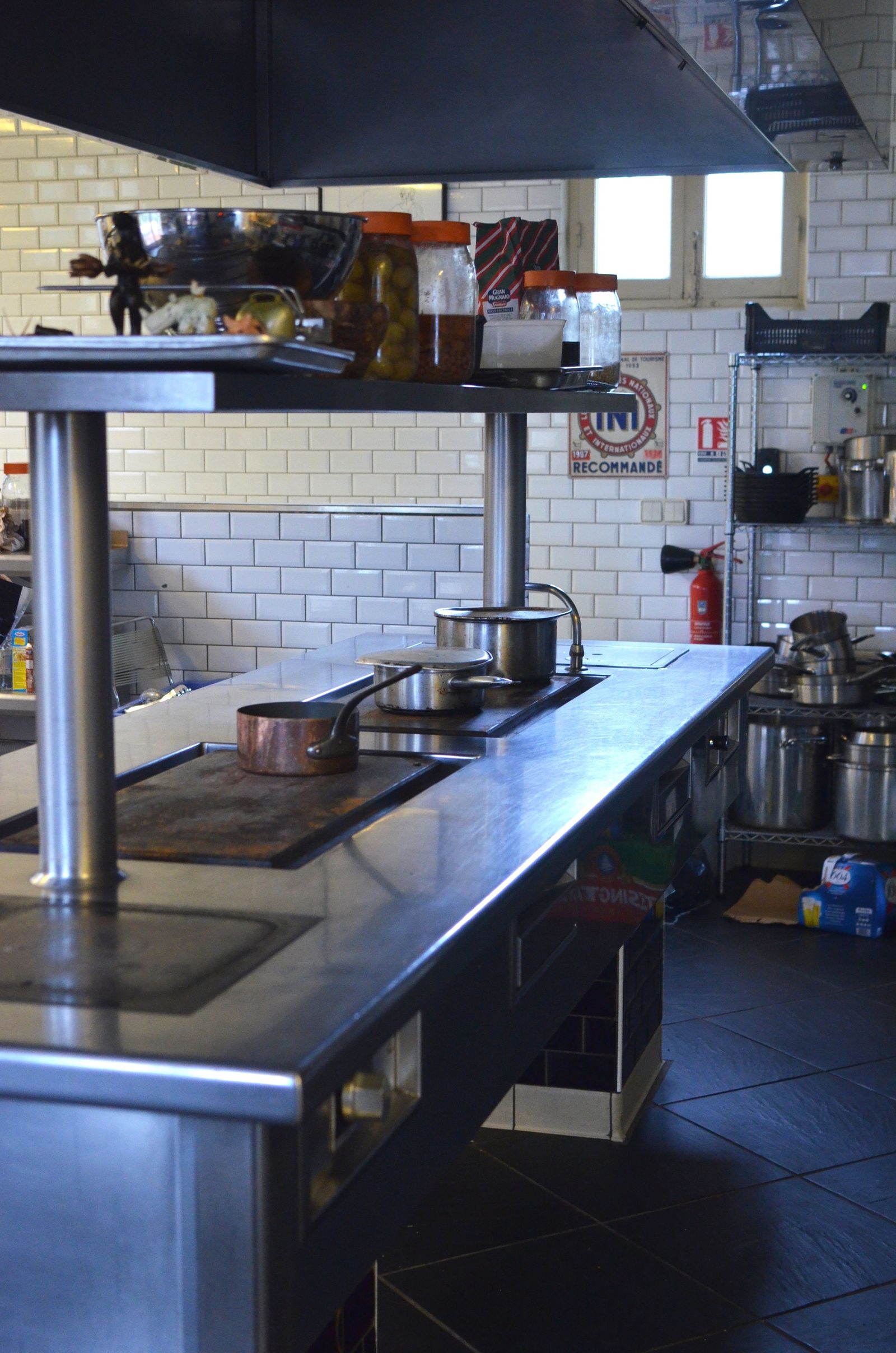
Service the trap before retained waste becomes an operational issue
A grease trap maintenance schedule gives a commercial kitchen control over when servicing happens instead of waiting for odour, slow drainage, loss of capacity or overflow to force an urgent visit.
There is no single interval that suits every site. The right schedule depends on the trap, the kitchen, the grease load and what was found during previous services. The best maintenance plans therefore change when the evidence changes.
What to record after every service
A simple maintenance history makes future scheduling more reliable and helps multi-site operators keep a clearer record of what each kitchen actually needs.
Service date
Record when the trap was emptied or cleaned rather than relying on memory.
Build-up found
Was the unit lightly loaded, close to capacity, heavily coated or clearly overdue?
Operational symptoms
Note odour, slow drainage, overflow or recurring problems around the service date.
Next interval
Move the next service sooner or later if the condition found suggests the current timing is wrong.
Hotels, schools, pubs, restaurants and takeaways should not share one generic timetable
A hotel may have breakfast service, functions and seasonal peaks. A takeaway can have heavy fryer use over long trading hours. A school may have predictable term-time demand and useful closure windows, while a care setting can operate every day of the year.
The maintenance interval should reflect both the grease load and the practical access window for the site. A schedule that works operationally is more likely to be followed consistently.
Emptying, cleaning and condition-led servicing
Routine maintenance is not necessarily the same job at every visit. The condition of the trap should determine whether a straightforward emptying is enough or whether heavier residue makes a fuller clean worthwhile.
Routine emptying
Remove retained wastewater, FOG and settled solids before too much working capacity is lost.
Fuller cleaning
Address accessible residue and heavier internal build-up when the condition of the trap requires more than pump-out.
Interval review
Use the amount and condition of material found to decide whether the next service should be sooner or later.
Changes in the kitchen should trigger a maintenance review
Higher trading volume
More covers, deliveries or longer opening hours can increase the grease load substantially.
Menu or equipment changes
More fryer use, richer sauces or changes in food preparation can alter how quickly FOG builds up.
Recurring symptoms
If odour or poor drainage repeatedly appears before the next planned visit, the schedule may be too long.
Tell us how the site operates
Good site information makes it easier to match the service to the trap and to suggest a sensible maintenance pattern.