Grease trap emptying
Routine pump-out of retained FOG, food solids and wastewater before the trap reaches excessive capacity.
About grease trap emptyingGrease trap emptying, cleaning and maintenance for restaurants, pubs, hotels, takeaways and commercial kitchens in Sutton Coldfield and the surrounding West Midlands area.
Send the key site details once so the requirement is clear from the outset.
No obligation. Details are used to respond to this service enquiry.
A town-centre restaurant, a hotel kitchen, a takeaway and a food-production site can all use grease traps very differently. Opening hours, menu, fryer use, wash-up volume and trap capacity change how quickly fats, oils, grease and solids build up.
Access can also vary from rear service yards and loading areas to internal or basement traps. Include vehicle access, hose distance and any restricted service times when requesting a quote.
A routine job can be as straightforward as pumping out retained fats, oils, grease, food solids and wastewater. An overdue or poorly maintained trap can need a more involved clean, particularly where residue, odour or restricted drainage remains after the bulk waste has been removed.
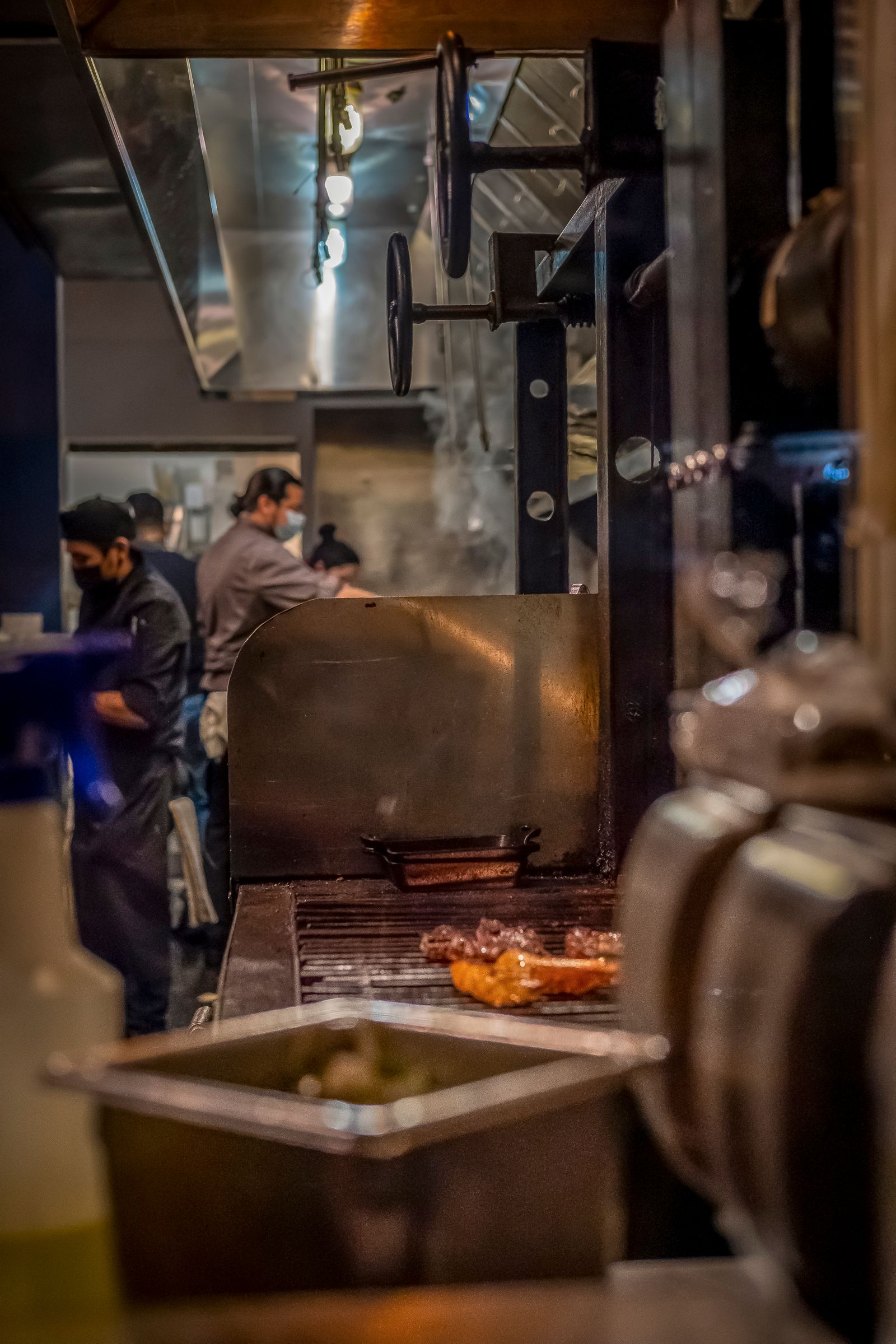
The right service depends on the condition of the trap and whether the requirement is routine, overdue or already affecting the kitchen.
Routine pump-out of retained FOG, food solids and wastewater before the trap reaches excessive capacity.
About grease trap emptyingA fuller clean where accessible internal surfaces and components need attention after the bulk waste has been removed.
About grease trap cleaningRepeat servicing based on actual kitchen use, trap capacity and what was found at previous visits.
Plan repeat maintenanceFor strong odours, overflow, restricted drainage or a trap that has filled unexpectedly.
Urgent grease trap serviceThe warning signs are often practical rather than technical. These are some of the common reasons a kitchen starts looking for a cleaner or emptier.
Strong smells around the trap or connected drainage can indicate retained waste or another problem that needs checking.
Sinks and connected drainage becoming noticeably slower can be a sign that grease build-up or a wider drainage restriction is developing.
Visible grease and solids reduce the useful space available inside the unit and can make an overdue service increasingly urgent.
Overflow is an active operational problem rather than routine maintenance and should be described clearly when requesting help.
Location alone is not enough to price or plan a grease trap job. The useful information is the combination of kitchen use, trap condition and physical access.
Providing those details at the start helps distinguish a simple planned pump-out from a more involved clean or an urgent drainage-related problem.
Grease trap servicing is relevant anywhere food preparation and washing produces fats, oils and grease. Different premises can create very different loads even when the traps themselves look similar.
For a commercial kitchen in Sutton Coldfield, a clear access description can prevent wasted time. State whether the trap is external, internal or in a basement, how close a vehicle can get, whether there are loading restrictions and the preferred servicing window.
Busy kitchens may also want routine visits outside peak meal periods. That is particularly relevant to restaurants, hotels, pubs and takeaways where an avoidable interruption during service can be costly.
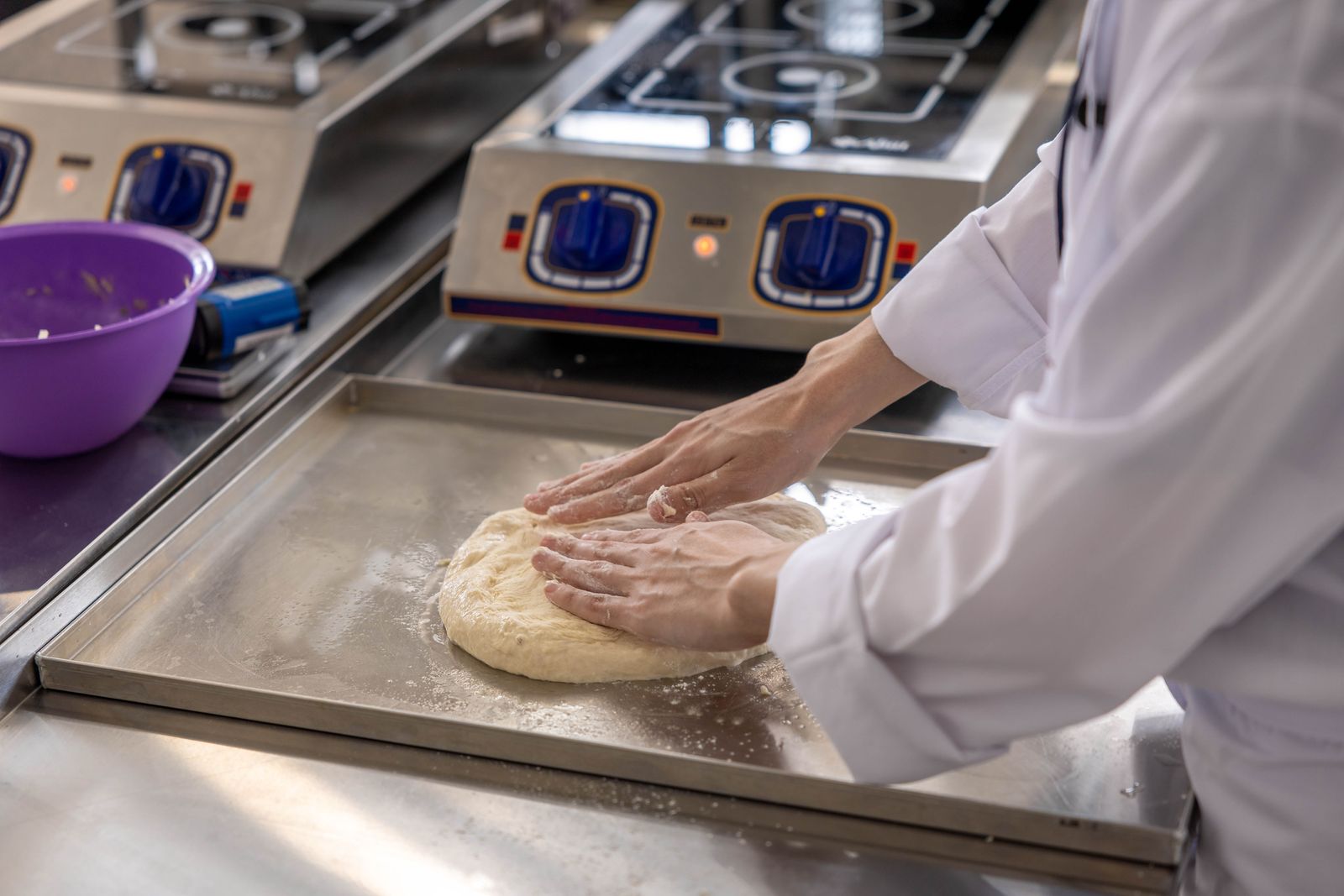
A useful quote has to reflect the actual service rather than just the town name.
There is no single interval that works for every commercial kitchen. The useful frequency depends on trap capacity, food preparation, fryer use, covers or throughput, opening hours and what was found when the trap was last emptied.
If each visit finds the trap close to capacity, the interval may be too long. If very little has accumulated, the schedule may deserve review. A simple service record gives the next maintenance decision much better evidence.
Confirm the trap, access, symptoms and whether the requirement is routine, overdue or urgent.
Remove retained wastewater, grease and settled solids as required by the service.
Where a fuller clean is required, address accessible internal residue after bulk waste removal.
Use the condition found at the visit to decide whether the current service interval still makes sense.
Useful answers before you submit the site details.
The interval depends on trap size, kitchen throughput, menu and how quickly grease and solids accumulate. Previous service history is often the best guide.
Routine emptying removes retained waste. A fuller clean may be appropriate where internal build-up remains or the trap has persistent odour or performance problems.
Postcode, premises type, trap size and position if known, access restrictions, urgency, last service date and any current symptoms.
That depends on contractor availability and the site, but including preferred service windows and access restrictions makes planning much easier.
No. Overflow is an active operational problem. Explain where it is happening, whether wastewater is still flowing and any immediate access or safety concerns.
Return to the form above with the postcode, trap, access and urgency.